The Ultimate Back-to-School Classroom Organization Checklist for Teachers
The countdown to a new school year is exciting—but totally overwhelming. Between unpacking, setting up bulletin boards, organizing supplies, and planning lessons, it's easy to wonder where to start.
The good news? You don't have to do everything at once.

A simple classroom organization plan can help without the last-minute stress. Whether you're a first-year teacher or a seasoned veteran, this checklist will help you prioritize what matters most before students walk through your classroom door.
1. Set Up Your Classroom Layout
Before hanging decorations or organizing supplies, decide how your classroom will function. Think about how students will move throughout the room and where learning will take place.
Ask yourself:
Can students easily move between desks?
Is there a designated area for small groups?
Where will independent work happen?
Can students quickly access classroom supplies?
Once your furniture is arranged, create clearly defined areas for your classroom library, technology station, teacher table, and supply center.

2. Organize Classroom Materials
An organized classroom saves valuable instructional time throughout the year.
Before school begins:
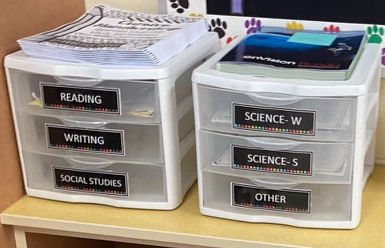
Label bins and containers.
Organize classroom books by genre or topic.
Prepare supply stations with pencils, crayons, glue, scissors, and paper.
Stock tissues, hand sanitizer, disinfecting wipes, and paper towels.
Organize math manipulatives and science materials.
Prepare an emergency substitute folder.
When everything has a designated place, students become more independent and classroom routines run much more smoothly.

3. Get Technology Ready
Technology issues always seem to happen at the worst possible time, so it's worth testing everything before the first day.
Complete these tasks before students arrive:
Charge classroom devices.
Test your projector or interactive display.
Check speakers and document camera.
Log into classroom programs.
Bookmark frequently used websites.
Print student login cards or QR codes (if you have your class list yet).
Label charging stations and device storage.
A few minutes of preparation now can prevent major interruptions later.

4. Prepare Student Paperwork
The first week of school often comes with a mountain of paperwork. Preparing it ahead of time makes those busy days much easier.
Be sure to have:
Class roster
Student name tags
Parent information forms
Emergency contact binder
First-week worksheets
Student data tracking sheets
Copies of classroom procedures and expectations
Having everything organized in folders or labeled bins will save time when students arrive.

5. Plan for the First Week
The first few days set the tone for the entire school year. Focus on building relationships and teaching routines rather than jumping immediately into academics.
Consider preparing:
Morning work
Classroom tours
Icebreaker activities
Getting-to-know-you games
Classroom expectations
Arrival and dismissal procedures
Supply organization routines
Students thrive when they know exactly what to expect.


6. Finish Your Teacher Planning
Even if your lesson plans aren't completely finished, having your planning systems in place will help you stay organized.
Before school starts:
Review your curriculum pacing guide.
Create a seating chart.
Organize digital files.
Update your classroom website or learning management system.
Prepare any beginning-of-year assessments.
Getting ahead now gives you more flexibility once the school year becomes busy.
7. Create a Welcoming Classroom Environment
Students notice how a classroom feels the moment they walk in.
Instead of focusing on elaborate decorations, create a space that is warm, organized, and inviting.
Ideas include:
Welcome signs
Growth mindset posters
A classroom jobs display
Student celebration board
A calming corner or reset space
Comfortable reading area
Clearly posted daily schedule
Remember: a welcoming classroom doesn't have to be Pinterest-perfect to make students feel valued.

8. Prepare Family Communication
Strong relationships with families begin before the first day of school.
Take time to:
Draft a welcome email or newsletter.
Prepare Meet the Teacher materials.
Set up your communication app or platform.
Create a communication log for the year.
Families appreciate clear communication from the very beginning.

9. Do One Final Walk-Through
Before students arrive, pretend you're one of them.
Walk through your classroom and ask:
Can I easily find supplies?
Are classroom expectations visible?
Is everything labeled clearly?
Are student work areas free of clutter?
Does the classroom feel welcoming?
Use this final walkthrough to make small adjustments before the excitement of the first day.

Your Back-to-School Classroom Organization Checklist
Use this quick checklist to stay on track:

Final Thoughts
Preparing your classroom for a new school year doesn't have to happen in one day. Focus first on creating systems that make your classroom functional and easy to navigate.
Decorations can always be added later, but clear routines and organized materials will benefit both you and your students from day one.
Remember, the goal isn't perfection—it's creating a classroom where students feel welcomed, supported, and ready to learn. A little organization now can lead to a smoother, less stressful school year for everyone.


